History and Beliefs: Is the African Mask a Good Luck Charm?

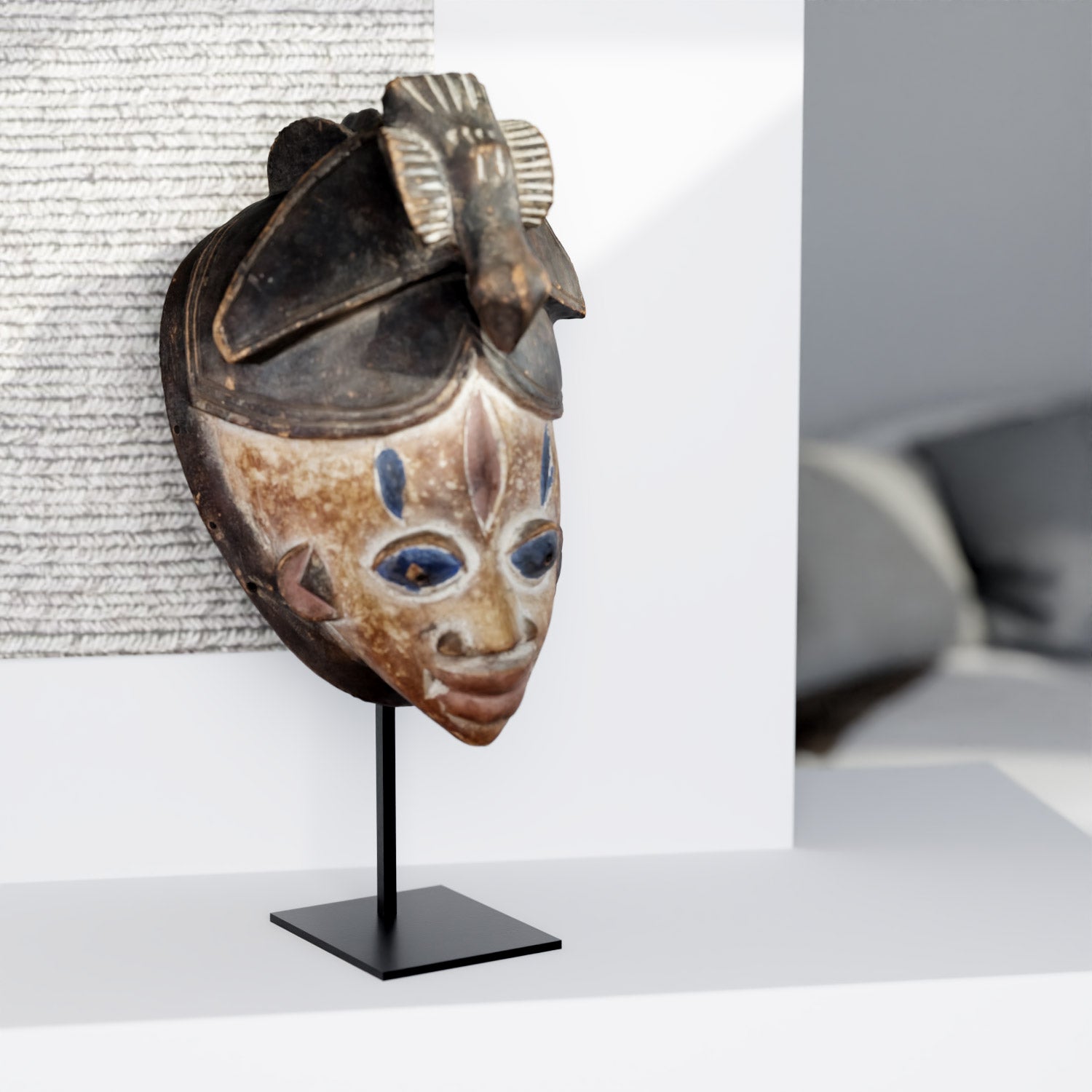
Under the soft light of a house or apartment, an African mask always seems to tell a story, even when it remains still. Its wood-carved silhouette brings an intriguing presence, a silent force that transcends time. Whether an art object, a decorative piece, or simply a companion for the eye, it evokes Africa with unique intensity.
What if, behind its patterns and finishes, a part of its mystery calls for more knowledge?
The origins of African masks: fascinating histories and traditions
For centuries, African masks have accompanied the lives of many peoples in the cradle of humanity, long before modern art embraced them and wall decoration offered them a new place. Carved from wood, shaped with natural pigments, sometimes enriched with plant fibers or metal, these African artworks bear witness to craftsmanship passed down from generation to generation. Their presence has been attested since antiquity, carried by traditions that have developed across regions, peoples, and styles.
In traditional societies, African masks played a central role. They accompanied major life events: coming-of-age ceremonies, community rites, seasonal festivals, or important village events. Some masks were used to ensure the group's protection, while others served as intermediaries in symbolic enactments designed to transmit clan narratives or foundational stories.

And while this history may seem distant, it is not so much: in several regions of Africa, these uses still persist today. Some peoples continue to keep these rituals alive, thus perpetuating a living memory where the mask remains an essential actor in social connection.
Through their dimensions, sizes, and patterns, these objects primarily tell the story of a people and an identity. Each sculpture, each creation, each carved detail celebrates an active tradition, rooted in the present as much as in the past, and deeply linked to African cultural richness.
African masks and beliefs: between protection, luck, and spirituality
Beyond their wood-carved appearance and carefully worked patterns, African masks often carry deep symbolism.
Depending on the peoples and regions, they can:
-
Ensure the community's protection against negative forces.
-
Serve as a link between the visible world and that of the ancestors.
-
Embody respected spiritual figures or guardian spirits.
-
Accompany specific ceremonies and rituals related to collective life.
In the immense diversity of African cultures, the same mask can therefore change meaning depending on its use, the ceremony, its manufacture, or even its chosen size. Each African artwork then becomes a fragment of cultural identity, a link between the present and ancient traditions, sometimes imbued with protection or luck, but always deeply rooted in Africa's symbolic richness.
Which African countries do African masks come from?
As explained earlier, African masks are remarkably diverse, reflecting the cultural richness of an entire continent. Each region, each people has developed its own styles, patterns, sizes, and finishes, according to local customs and beliefs. They are found in many African countries, each with a unique identity and specific traditions.

It is common, especially in Europe, to speak of Africa as if it were a single country. This view is not only reductionist, but it obscures the reality of the continent: Africa is immense, much larger than Europe, and encompasses an extraordinary cultural diversity. Thousands of ethnic groups, languages, and traditions coexist across its regions, each with its own stories, customs, and know-how. Reducing this continent to a single identity means missing out on all the richness and complexity of its peoples.
Here is an overview of some emblematic masks by country of origin:
|
Country |
Mask Name |
Description and Symbolism |
|
Benin |
Gelede |
Mask used in ceremonies celebrating women and fertility, often colorful and richly decorated. |
|
Ivory Coast |
Baule |
Refined wooden mask representing protective spirits and used in ritual dances. |
|
Mali |
Dogon |
Mask used in funeral ceremonies, symbolizing communication with ancestors and the spiritual world. |
|
Ghana |
Ashanti |
Mask accompanying festivals and community rites, embodying wisdom and protection. |
|
Democratic Republic of Congo |
Pende |
Often geometric and expressive mask, used in justice ceremonies and coming-of-age rituals. |
Is the African mask a good luck charm?
The role of African masks as good luck charms is primarily linked to personal and cultural beliefs. According to some traditions, a mask can attract luck, protect against evil spirits, or symbolize a connection with ancestors. However, there is no universal truth: what is considered good luck for one person or community may only be a decorative object for another.
Uses and perceptions:
-
Traditional use: rituals, ceremonies, protection, or communication with ancestors.
-
Modern Western use: decoration, personal collection, artistic display.
-
Popular beliefs: some people consider them good luck charms.
➜ Everyone is free to believe what they wish: an African mask can therefore be both a symbol of luck for some and a collector's item or decorative object for others, without one point of view being more "correct" than the other.
Can an African mask be a bad luck charm?
Some legends and traditions suggest that, out of cultural context, an African mask could symbolically become a "bad luck charm" if its ritual uses are not respected. This does not mean that the object itself is dangerous, but that respect for traditional beliefs and uses is important to avoid any discomfort or negative interpretation.
How to display your African mask?
Displaying an African mask offers many possibilities, and each choice can reveal a different dimension of the artwork. The two most common methods are to hang it on the wall or place it on a stand, allowing it to be showcased from all angles. Depending on the mask's size, height, and style, each option can enhance its patterns, finishes, and presence in a room.
At La Bulle, we offer a selection of stands designed specifically for African masks. All our supports are made in France, in our workshops, from solid and elegant materials: steel or plexiglass, with several sizes available to suit each mask dimension.
Here are our three flagship models:
-
Plexiglass stand: Composed of three parts (a transparent plexiglass base and two pointed stainless steel rods for attachment). This stable support perfectly showcases the mask and is compatible with wooden masks with a hollow back.
-
Adjustable steel stand: Designed in our workshops to meet your mask display needs. It allows you to display your masks elsewhere than on a wall and is available in 4 different sizes.
-
Steel spike stand: Suitable for all types of masks, whether wood, paper, or plaster. Simply place the mask on the two spikes provided, and you're done.
➜ These stands offer an elegant and practical solution for showcasing your African masks, whether they are used as decorative objects, collector's items, or ethnic decor elements in your home.
TO DISCOVER ON THE BLOG

How to display a painting? A complete guide for optimal presentation

The Fontainebleau Gogottes: History of a Natural Work of Art
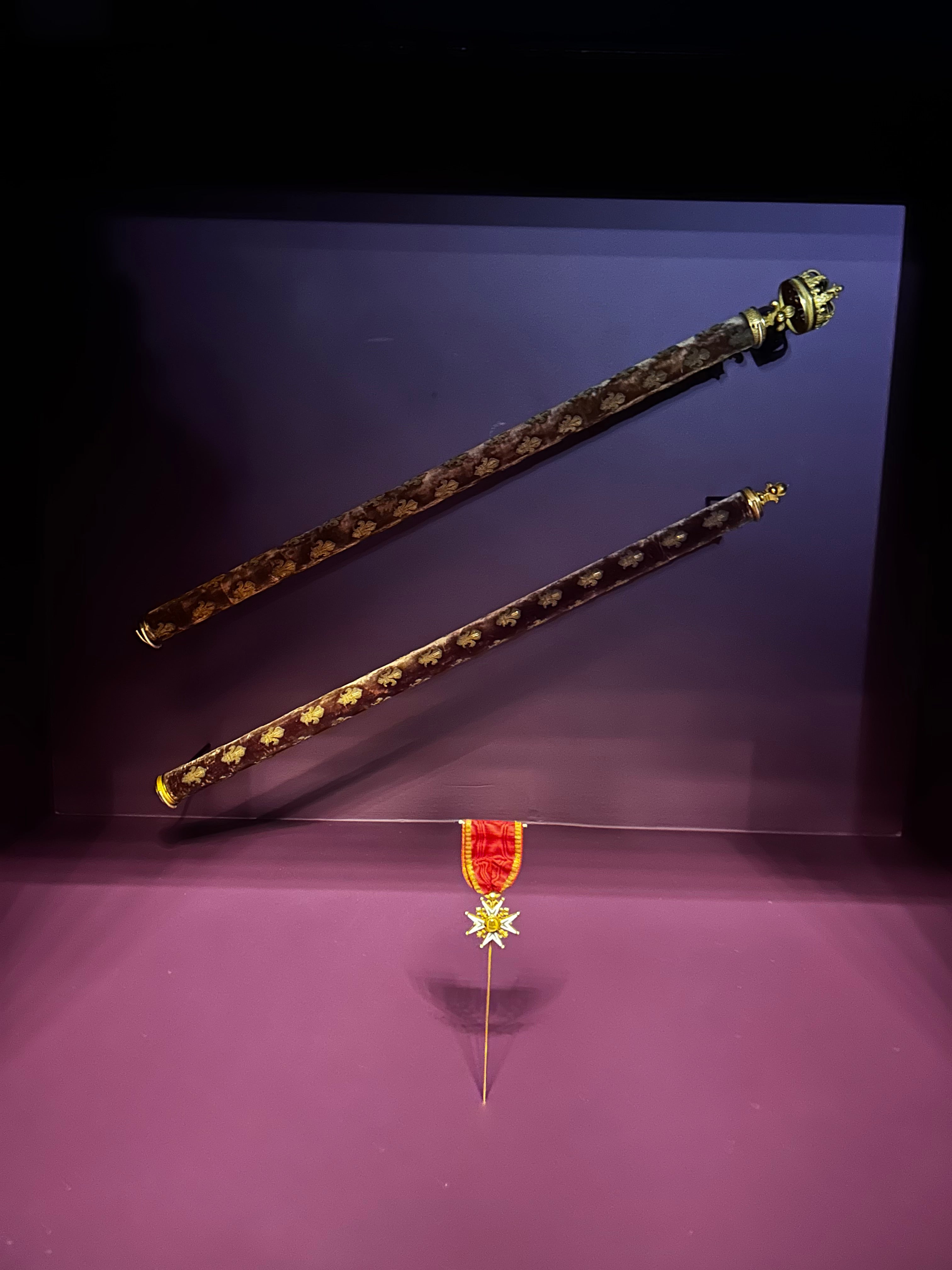
Creation of custom plinths for the "Le Dernier Sacre" exhibition at the Galerie des Gobelins