

Curiosity Cabinets: Eclectic Collections of Fabulous Objects.

Created during the Renaissance, curiosity cabinets have continuously captivated curious minds and enthusiasts of ancient and unusual objects. These miniature museums can still be visited today, and why not, inspire an original interior decoration.
Unicorn rostrums, crystals, and precious stones – the bases and display cases of curiosity cabinets have always been filled with rare and incredible objects. The full diversity of the world finds its place there. From science to exotic fauna, including botany and the supernatural, curiosity cabinets never cease to fascinate us.
A Tour of a Curiosity Cabinet
The rare and diverse objects that typically constitute a good curiosity cabinet belong to five major categories. Four of them represent the scientific world as it was understood during the Renaissance. The fifth category appeals to imagination and the supernatural. One can easily list the categories in which to display the various artifacts, regardless of their origin and provenance.
Pocket Terrestrial Globes: Having the World in Your Pocket
Among scientific curiosities, one finds the pocket terrestrial globe. This ornamental object reconstructed the solar system as it was known at the time. The small planet fits into its round, rosette-leather-covered case. The fineness of the drawing is remarkable. With each new scientific discovery concerning space, constellations, and continents, new terrestrial globes were created.

Pocket terrestrial globe, custom-made black steel base, Galerie Delalande, Paris
The specialists in pocket terrestrial globes are located in the heart of Carré Rive Gauche in Paris.
Galerie Delalande offers, among other things, curiosity objects related to the ocean. For them, we entirely designed this custom-made black steel base.

Pocket terrestrial globe, custom-made black steel base, Galerie Delalande, Paris
Curiosity Cabinets of the
Naturalia Type
From the Latin "natural," this category brings together objects from nature, with no transformations other than to display them on bases, in frames, or under glass domes.
Mineral: fossils, rare and precious stones, meteorites, etc.
Animal: insects, stuffed animals, shells, rostrums, teeth, etc.
Vegetable: herbariums, dried flowers, various plants, etc.
Animal: insects, stuffed animals, shells, rostrums, teeth, etc.
Vegetable: herbariums, dried flowers, various plants, etc.
Here are two magnificent examples of turtle shells presented on custom-made bases. One in painted black steel, the other in brass with a chrome patina (the ultimate custom base).
Collecting Nature

Turtle shell on a black steel base.

Turtle shell on a black steel base.

White turtle shell on a chrome brass base - Custom creation for the interior design firm Liaigre.
Discover the project
The Artificialia Curiosity Cabinet
Also from Latin, meaning "made," this refers to grouping together things made by humans.
Creations: all manufactured objects can appear in display cases, often on bases or under glass domes, such as precious objects, small antique bronzes, and silverware.
Modifications: natural objects modified by humans, set stones, diamonds, carved ivory tusks, turned wooden objects.
Modifications: natural objects modified by humans, set stones, diamonds, carved ivory tusks, turned wooden objects.

Amphora on a custom black steel base

Custom black steel base for an amphora
The Exotica Curiosity Cabinet
As its name suggests, this category displays all items of foreign origin. The exotic aspect emphasizes the rare and precious nature of these objects.
Fauna and flora: animals and plants from exotic countries, ostrich eggs, elephant tusks, Indian headdresses, masks.
Indigenous objects: creations of rare objects from various civilizations around the world.
Indigenous objects: creations of rare objects from various civilizations around the world.

Feather headdress on a black steel base

Custom-made brass base for Inuit goggles
Scientifica Curiosity Cabinet
"Scientific" in Latin. One of the most sought-after categories for art enthusiasts. These period instruments have endured through centuries to become highly coveted antique pieces.
Scientific and measuring instruments: ancient tools used in laboratories (telescopes, oscilloscopes, sextants, etc.)
Medical instruments: stethoscopes, microscopes, masks, etc.
Cartography: maps of the world, oceans, skies, often displayed in frames.
Medical instruments: stethoscopes, microscopes, masks, etc.
Cartography: maps of the world, oceans, skies, often displayed in frames.
The Mirabilia Curiosity Cabinet
Literally "miracles" in Latin, this category gathers strange things found in nature or to which magical properties are attributed.
Animal: a narwhal tusk becomes a unicorn horn, imaginary stuffed animals created from scratch by mixing various species.
Scientific: incredible fake world maps, automatons, pseudo-scientific objects, or objects supposed to have belonged to a particular civilization.
Scientific: incredible fake world maps, automatons, pseudo-scientific objects, or objects supposed to have belonged to a particular civilization.

Steel pedestal for a rostrum

Detail of a steel pedestal for a rostrum
These Unusual Objects Displayed in Curiosity
Cabinets
Sea Coconuts (Coco de mer)
As its name doesn't quite suggest and despite its shape, the coco fesse or sea coconut is not a coconut from a palm tree, but rather its seed. A rare and protected species, it has its rightful place in a cabinet of curiosities. It will, of course, require custom mounting to be properly showcased.

Sea coconut box on a custom brass base

Custom black steel base for a sea coconut

Custom black steel base with wooden base for a sea coconut

Mixed steel and Macassar patina wood base for sea coconuts
Fontainebleau Gogottes
A true geological curiosity, the gogotte is a sandstone concretion, meaning it is the result of the natural cementation of very pure sands. Water, passing through them, acts as a cement, creating their unique shapes. The Fontainebleau region has a subsoil very conducive to the formation of gogottes, which is where most of them are found. Highly prized by collectors, they are represented in many curiosity cabinets or simply as interior decorative objects.

Fontainebleau gogotte on a custom raw steel base

Fontainebleau gogotte on a custom brass base with personalized patina - front view

Fontainebleau gogotte on a custom brass base with personalized patina - back view

Fontainebleau gogotte on a custom steel base
The Counter Roulette
Now disappeared, this game was present in most bistros at the end of the nineteenth century. While the rules of the "roulette" are no longer known, it is known that it was very popular. The lower part of the roulette was often hollow to store matches, and an integrated striker allowed them to be lit. A rare and therefore essential object in a cabinet of curiosities, it would be given a prominent place, perhaps on an original base designed from old picture frames.

Custom brass base for counter games - front view

Custom unpatinated steel base for counter games
How to Create Your Own Curiosity Cabinet
The richness of objects and materials in curiosity cabinets provides abundant sources of inspiration for interior decoration. With a little patience and research, one can find and display unique or eclectic art objects. It is also possible to transform everyday objects into works of art by staging them as in an old curiosity cabinet.
To achieve a convincing result and showcase the objects you have found, various solutions are available to you.
To achieve a curiosity cabinet effect without falling into clichés, we advise you to pay attention to the presentation of the art objects you wish to display.
Thus, for your sea coconuts, skulls, and other irregularly shaped and unique objects, we recommend displaying them on custom-made bases.
Discover our brass, steel, and wood bases to enhance your objects and artworks.
Custom Bases

Custom bases for skulls
For objects with more regular shapes, such as collection eggs or prehistoric eggs, we recommend using our standard range of display stands for objects and art objects.
Our plexiglass display stands are discreet and very robust.
All our standard plexiglass, steel, and wood display stands are available for online purchase.
By creating a curiosity cabinet at home, you make the choice to display exceptional and rare works of art.
Sea coconuts, skulls, but also maritime maps testifying to past history.
To bring coherence to all these objects, we offer our expertise and know-how in staging your display. Custom bases, egg stands, presentation magnifiers – all these products are here to highlight each of your objects.
Thanks to these various tips, it becomes easy for you to reproduce the atmosphere of curiosity cabinets at home. Our goal is for you to personalize the presentation of your art objects as much as possible. A unique presentation for unique objects.
Whether custom-made or standard, you will surely find the display stand that will enhance your art and collection objects.
Previous post
The History of the Wedding Globe
Next post
Wood's lamp: The many benefits of this ultra-powerful UV lamp

How to find good deals at the Saint-Ouen Flea Market?
Finding an exceptional piece in the aisles of a flea market or at Les Puces de Saint-Ouen, the story is beautiful, but it's not...
Mar 17 2026

Representing Christ: the articulated Christ example
Do you know the articulated Christ? It all started with this photo sent by a friend, with this message: "Have you seen the beauty...
Sep 29 2025
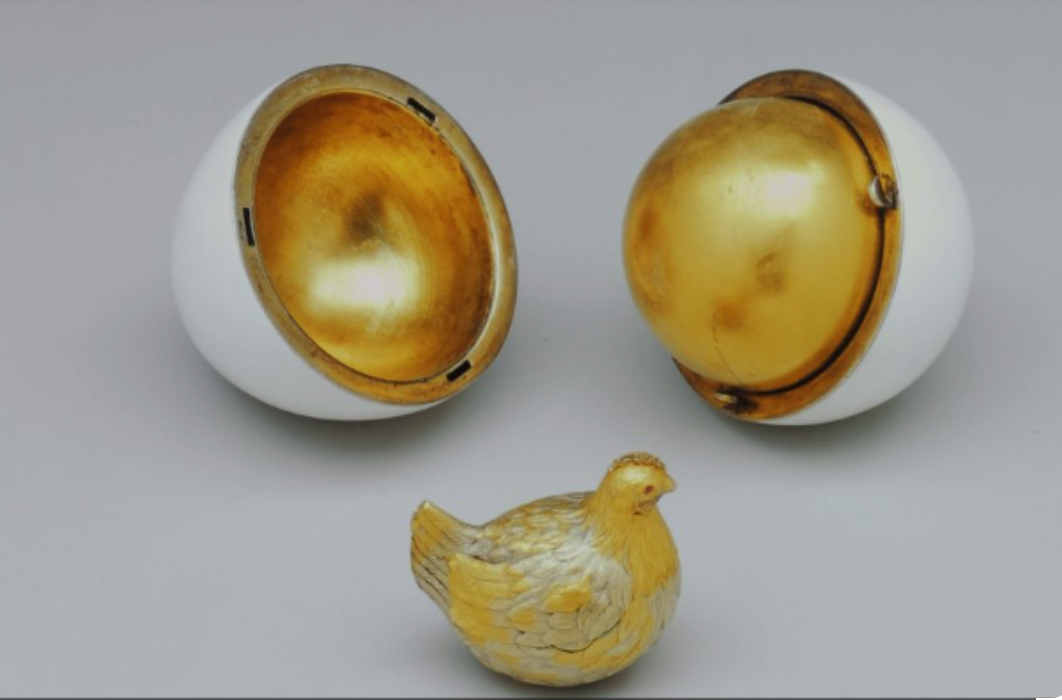
History and Meaning of a Fabergé Egg
The history of the Russian Imperial Fabergé eggs. You are surely familiar with the Fabergé egg. This work of art inhabits the collective imagination...
Jul 01 2024

The history of the Olympic medal
The Paris 2024 Olympic and Paralympic Games are overExtend the fun by discovering the history of the Olympic medal? La Bulle, art presentation expert,...
May 27 2024

How to base a coconut butt?
How to present a coco de mer? Discover our custom-made bases for this extraordinary object Lovers of this emblematic Seychellois seed, we have created...
May 15 2023
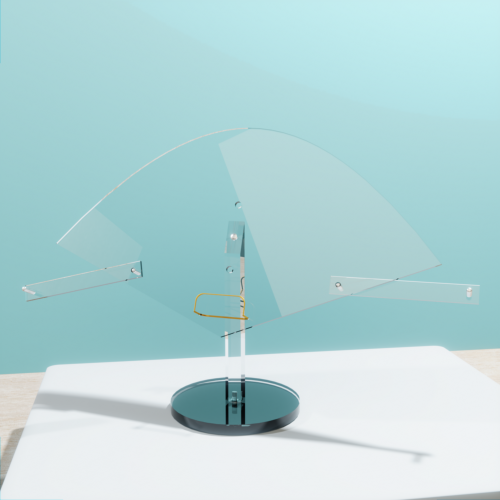
Present a fan
Enhance your fans with our custom displays or bases In this article, we won't explain how to make a fan, but rather how to...
Dec 13 2022
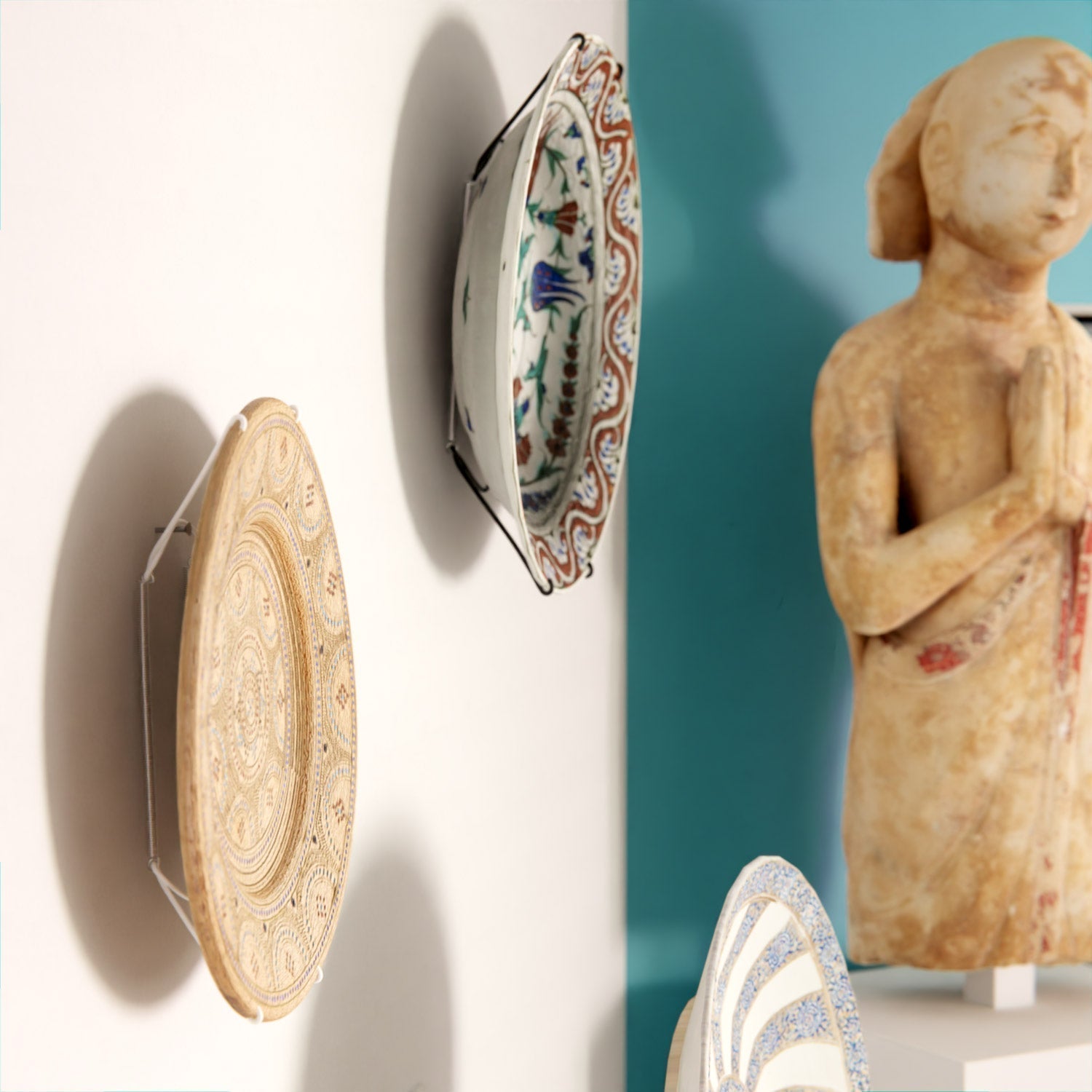
Your decorative plates
Decorative Plates: When Tableware Becomes a Display Piece Large, small, to hang on the wall or simply display, decorative plates add an original and...
Sep 30 2022

Wood's lamp: The many benefits of this ultra-powerful UV lamp
Ultra-powerful UV Wood's Lamp: principle, operation, and uses The world around you is full of hidden things. Things that are concealed in your environment...
Sep 08 2022